iServalan Podcasts on Apple

iServalan Podcasts on Apple
Listen to the iServalan Podcast on Apple

Amazon and Kindle Direct Books by Tale Teller Club

Amazon and Kindle Direct Books by Tale Teller Club
Buy Tale Teller Club Books on Amazon and Kindle

Marketing Yourself With a Filmic email. How did i do that? Let's find out at the iServalan Film School

Join The Film School for tons of free stuff!

Unedited transcript.

So filmmakers, welcome. I'm going to tell you today how to make a moving image letter head or um an email image that flickers or moves or pulses or vibrates or does something that's a bit like a film. Now, you know, we could argue it's not really film, but what is film? I mean, for me, film is it's moving. That's, you know, that's the core of the difference between a photograph and a film. It moves. 

But then we we come into that sort of gray area where you've got the the pulse, for example, which becomes a um perhaps a backdrop. You know, you walk into a gallery and you've got this huge space and and some there's an image there, but it's moving. What's it doing? Is it is it vibrating? Is it wobbling? Is it jerking? 

Is it um you know is there a sort of Ken Burns effect come you know it's going in the camera zooming in camera zooming out even by a frame you know a couple of frames something's going on isn't it something's going on and and your brain because humans have got amazing brains we've got amazing eyes and we know stuff like that and we would recognize something that even a very small move we you know we think what's going on what's going on there so is but would you call that a film. Personally, I wouldn't call that a film. And I wouldn't call a gif a film either. 

Is it gif or gif? I don't I've never said that word out loud. I I say gifs, but I I as far as I know, gif is what you clean the bath with or you used to. I'm very old. I've been around a long time. Anyway, I think I'm going to use gif. I prefer it. So at what point do we, you know, rationalize this behavior that we have for communicating with other human beings with storytelling and perhaps creating mood or just um creating almost a discomfort, you know, or or something that's, you know, moving image is very popular now. Everybody's making reals less than 30 seconds. 

My AI tells me sometimes when I'm promoting my business to to create something that's 10 or 15 seconds. You think, hang on, that, you know, that's it that sort of goes against what I what I do, which is telling a story. But you can tell a story in a pulse. And this is what I realized this week. So, I wanted to send some emails out about my gallery opening. Um, which is a moving image gallery, by the way, and I wanted to get some press coverage for it if I could. I still haven't sent the emails out. I've been far too busy doing other stuff. This is a problem with film making. 

You know, you're constantly editing, re-editing, and and something that supposedly would take 2 seconds ends up taking, you know, two weeks. I mean that that's how intensely most filmmakers work. And I I do think that, you know, if you if you do that as a creator, if you're a filmmaker who's creative, that's your sort of go-to, you know, that idea that the you want perfection to tell the story. You know, you don't want accidental storytelling. You want it to be just right in the way. 

Either that or or you're like me and you've probably got you're probably on a spectrum because obviously, you know, people on the spectrum go really into stuff. They, you know, and they find it um captivating and and I suppose distracting really. If you're a jobbing filmmaker, if you've got to, you know, if you're working in television or something, you got to get the edit out, you're you're not going to keep that job if you do that. So, you have to work in a very, very different way. 

But you know primarily this film making site, this film school that I've just launched, these podcasts that I do and all the films that I make are coming at it from a creative storytelling point of view. And that's what I've been doing for many years and I'm really set in my ways. So imagine my horror when I said to my AI, I um I actually do you know what? I think I was I was quite happy with some with a a parallax. you know, 

I just wanted a sort of image going across the top that with a a parallax um filter on it. So that's where they take they separate they the the software separates the layers two layers and it sort of blends in and out of these two layers and it it gives it that 3D effect. 

Anyway, it was beyond the cap capabilities of of my AI to to assist me with that. But I soon found out it wasn't really the AI's fault. What it is is when you send moving image via email in embedded in the actual email. So this is part of the letter, part of your letter head as it were. It has to be under one megabyte. Now that sounds quite big, doesn't it? 

Well, it's not. I mean, it's not really very big for a a a photograph. Not really. not HD, but of course it's it's fine for web viewing where, you know, you can get away with, you know, sometimes well 250 KB possibly, but you know, really you'd want something um a bit more um a bit clearer than that. So anyway, I thought, h no trouble, no trouble. So then we started sort of playing around, but you know, I I mean, I use AI a lot for my dirty work. 

I don't there's things I don't want to do. Well, the what I have found out about AI is you normally end up doing more work than you would have ever done before you had an AI because what AI has given me is just the opportunity to do incredibly advanced things. 

But, you know, I I want to learn or I want to do them all. So, the only way really that you can do them successfully is to understand what the AI is doing. So I'm always saying to it, well explain to me what you've just done there because at the moment it looks like magic and I don't I don't want to have magic in my life. I'm a filmmaker. I want to know, you know, I want to know the the the backroom details, you know, the behind the scenes. I'm the director. I want to see the director's cut and I want to know what absolutely every aspect of what I'm doing, even if it is only 300 frames. 

All right. So anyway, we're doing stuff and I took one little clip of film and the easiest way I tried various things, but the easiest way for me was to import it into onto my iPad. I like working with my iPad. um import it into um Final Cut Pro, clip it, and then I decided I didn't I was doing a Ken Burns, but it was so um it was so small it didn't really look exciting enough to me. It had to be under 3 seconds. This was the maximum time my AI said I it needed to the the Yeah, it couldn't be anymore for what I wanted for the email, right? a moving image on the email embedded in the email that everyone will be able to see on all devices. Okay, this is, you know, you're really getting down to detail now. Um, my cat's joining me and thinks I'm talking to it. 

Of course, I'm talking to you guys, but a cat doesn't know that. So, it's just purring and enjoying life. Anyway, I thought right now what I I want here are are two different stills from two different films that I'm making for my for my gallery launch. Right. Um and I wanted them to crossfade. So I got the two that I wanted. I faded in I crossfaded faded in out and did Kenburns on both both um pieces was approximately one and a half seconds long. Um, and it looked great. I thought, "This looks amazing. My god, I'm an absolute genius. Wow, this is going to blow their minds." All these, you know, um these uh people who write about art. Not not gallery owners, it was journalists, all these journalists, you know, artify journalists, which I haven't haven't done it yet. 

Um anyway, then I looked at the size and 3 seconds and we were talking 10 megabytes. I was what? So when you save in um Final Cut Pro, there there are options and you need to do the smaller size option basically. Um and there are several other options. So you play around with all of those and find your smallest. So I I did that and I managed to get it down to I think three megabytes. I could not get it done any smaller through Final Cut. So then I took it out um of Final Cut Cut and I took it into Procreate. And I really like Procreate because 

Procreate does this really cool animation thing. You just import your little bit of film and it splits all the cells up. Um and you I mean you can annotate individual the the onion layers they call them and which is really exciting. I thought, "No, that's another film. That's not this film." All I wanted to do for this film was shrink the thing. Yeah. So, I mean, there's you can you can do it manually, remove frames manually, every whatever frame, every fourth frame or or you can do it in Procreate. So, that's pretty useful. You can reduce the um the bit size there. There's there's lots of little sneaky ways to get it down. Needless to say, you know, Procreate, whilst being a wonderful thing for creative film making, when I mix it with hand painting, it wasn't doing the job I needed. 

So then my AI recommended that I use something called EZGIF. And Esgif is I mean what a hero, an absolute hero. So you can do so many things on there. So you can change video to GIF. You can create gifts from scratch. I believe um you can split, you can crop, you can optimize um you know I mean stills as well, JPEG optimizers, ping optimizers, repair aerif video compressor. I mean utterly fantastic. So what I did was I I brought in my I think it was my 3 megabyte version and I went to the section which is the online GIF or GIF optimizer and compressor and I uploaded it and I you I believe it was a lossy gif compression I used and it automatically reduced color, reduced frames, optimized transparency. I mean, it just did everything. 

Now, the first go it got down to one something just it was about, I suppose. Yeah, it was just over the megabyte. Um, sorry, the Yeah, the megabyte. So I put it through again and did exactly the same thing and it it was like 900 and something and I thought just absolutely wonderful. So downloaded it and it was actually really interesting because it's really grainy and you know that just adds to the rather arty feel of the whole thing and I just thought oh this is absolutely the best thing since life bread as my dad used to say. 

So yeah I mean what a what a great thing to be able to do. I I mean there are lots of ways to to skin a cat, are there not? And my cat's looking at me as I say that. Um you there are other ways that you could do this. Of course there are. But I think the the biggest thing that we want as as when we're marketing ourselves as filmmakers who are trying to market ourselves because that's what I'm doing. 

I don't want to have to be up all night. It did take me four hours to do this. 4 hours because you know I I changed things and then I didn't like stuff and I thought I don't like the color matching and you know I got really um sort of film directorish if for one of a better description. I you know I got quite obsessed because if this is going out you know I'm hoping to send this out to sort of 200 journalists. 

You want it to express perfectly your style, your in-house style, and and the type of films that you're you're making or the type of moving image that I'm making for the gallery. And I, you know, in that respect, it had to be exactly the right color. And of course, you're losing detail when you're compressing it. So, I really needed to make sure that I was happy with with what, you know, the end result was. 

And you know, for something so tiny, you know, I mean, less than an inch square, I think, u probably, I mean, obviously you can enlarge it when you get your email, but do you know what I mean? Um, proportionally it it's quite small on the page, but it is pulsing and it is moving. And I I do think that, you know, this we can talk about the difference and what is film, but I do think it's film. I think I've managed to create a teeny tiny weeny film.


Join The Film School for tons of free stuff!


Oversized T-Shirt
From £26.24

Boxy T-Shirt
£30.87

Mouse Pad
£18.67

Bucket Hat
£22.44

iPhone Magsafe Tough Case
£46.29

Dad Hat
£21.80

Holographic Sticker
From £1.90

Baseball Cap
£21.80

Active T-Shirt
£30.87

Baseball ¾ Sleeve T-Shirt
£28.30

Classic T-Shirt
From £17.39

Graphic T-Shirt
£27.86

Lightweight Hoodie
£35.91

Lightweight Sweatshirt
£33.25

Long Sleeve T-Shirt
£26.23

Premium T-Shirt
£31.63

Pullover Hoodie
£41.13

Pullover Sweatshirt
£36.73

Racerback Tank Top
£20.80

Essential T-Shirt
From £17.39

Tank Top
£21.44

Tri-blend T-Shirt
£26.91

V-Neck T-Shirt
£25.76

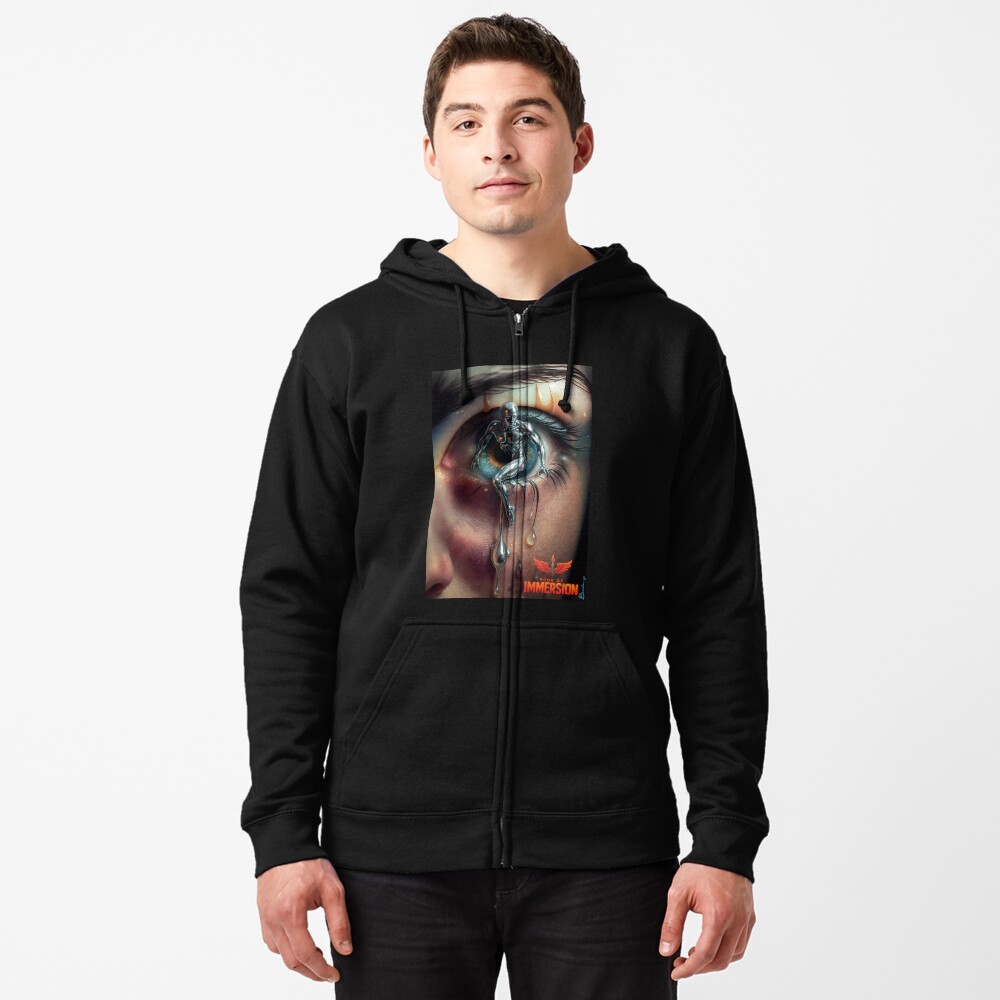
Zipped Hoodie
£43.91

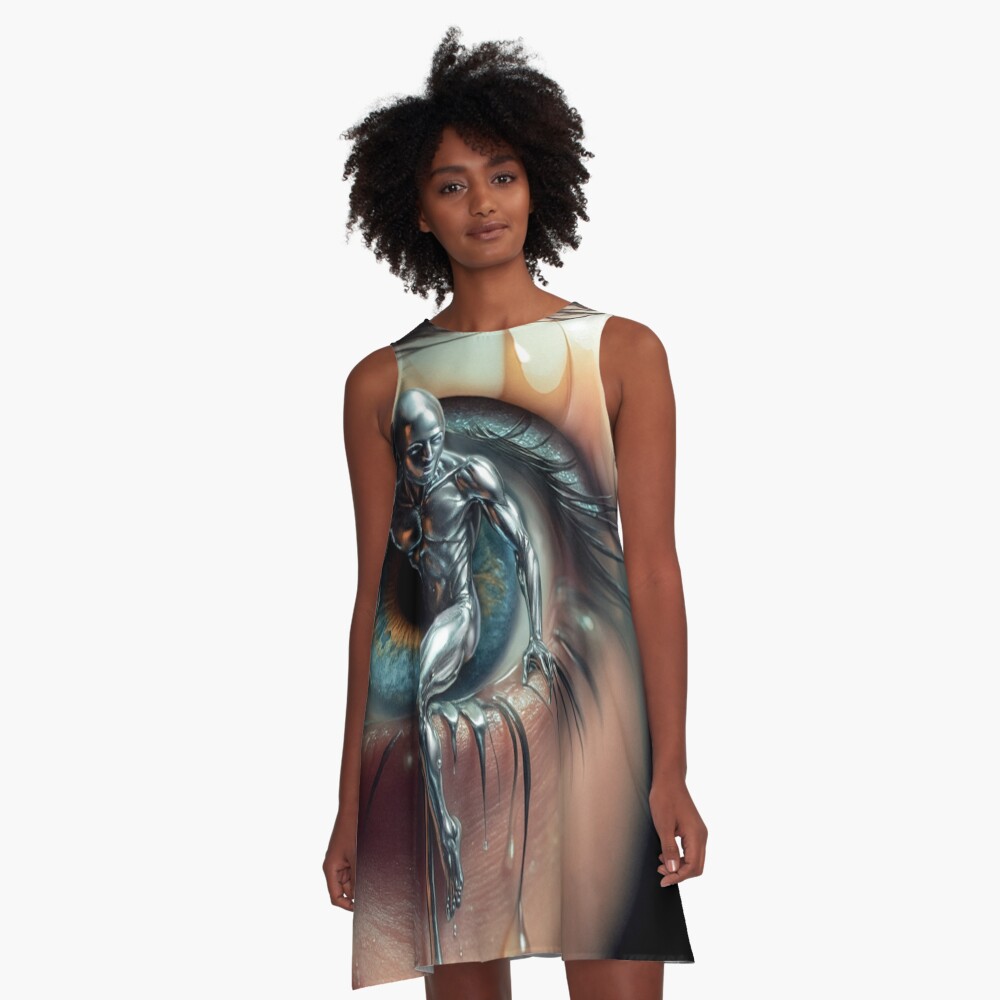
A-Line Dress
£60.71

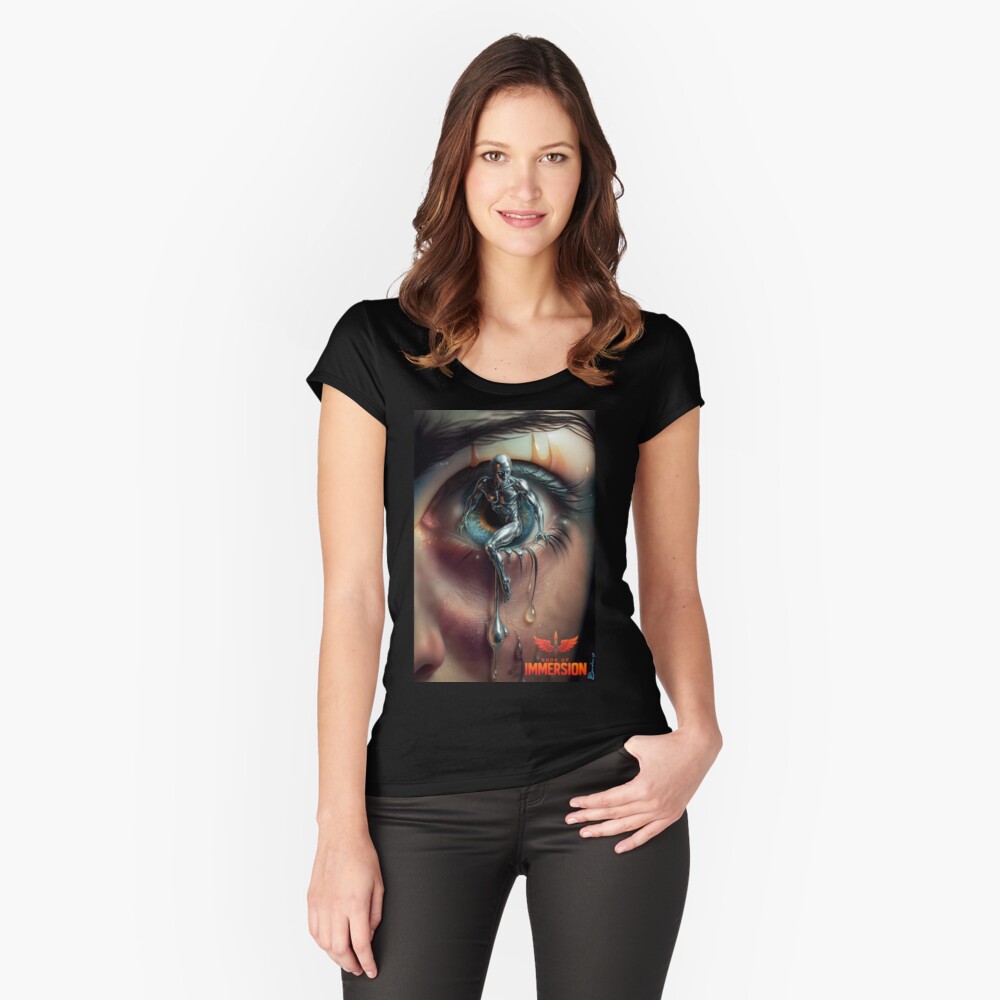
Fitted Scoop T-Shirt
£24.40

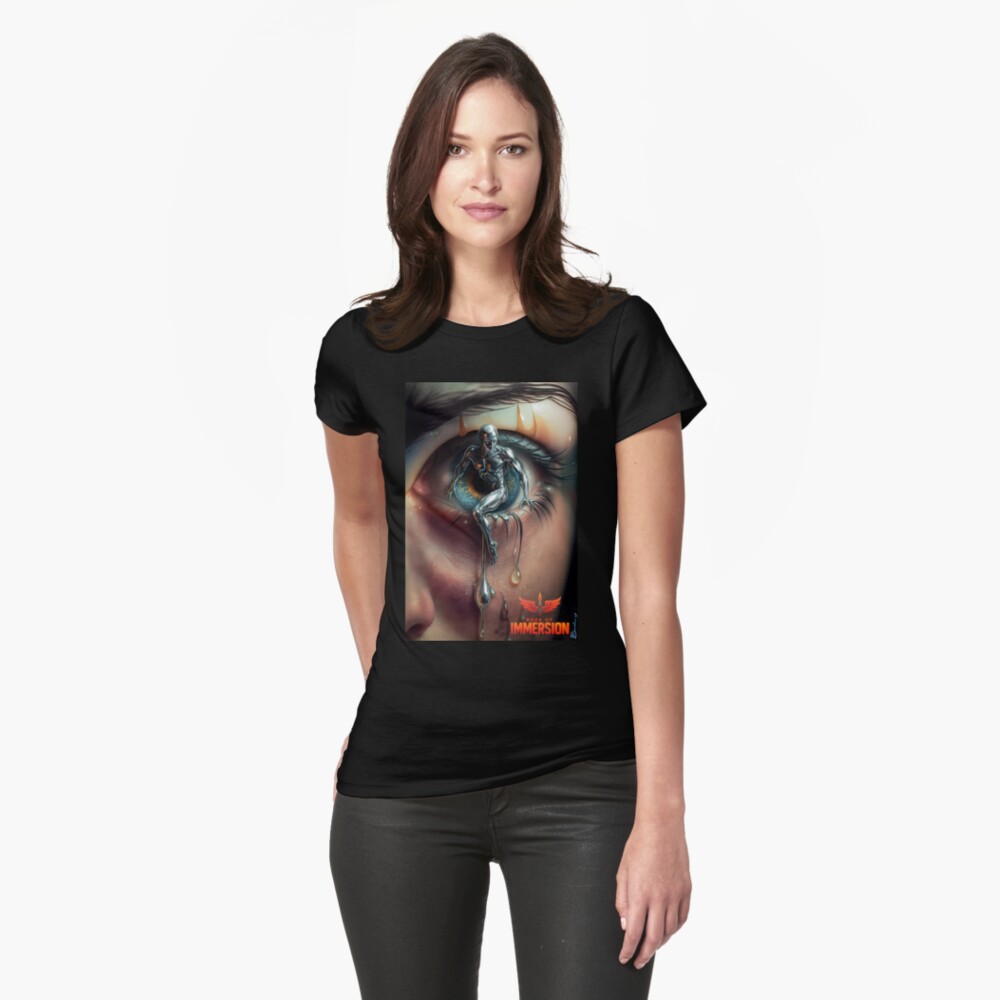
Fitted T-Shirt
£24.11

Fitted V-Neck T-Shirt
£25.41

Relaxed Fit T-Shirt
£23.56

Sticker
From £1.30


Glossy Sticker
From £1.34

Laptop Skin
£27.72

Laptop Sleeve
£36.95

Transparent Sticker
From £1.57

iPhone Snap Case
£24.76

iPhone Soft Case
£25.71

iPhone Tough Case
£29.83

Samsung Galaxy Snap Case
£25.93

Samsung Galaxy Soft Case
£20.01

Samsung Galaxy Tough Case
£31.18

Art Board Print
From £8.39

Art Print
From £12.26

Canvas Print
£53.44

Framed Art Print
£71.36

Photographic Print
£9.20

Postcard
From £1.20

Poster
£12.19

Tapestry
£52.87

Acrylic Block
From £19.54

Clock
£30.09

Coasters (Set of 4)
£16.43

Duvet Cover
£110.46

Shower Curtain
£65.38

Throw Blanket
£36.37

Throw Pillow
From £15.68

Kids Pullover Hoodie
£28.30

Baby T-Shirt
From £12.67

Kids T-Shirt
From £12.34

Long Sleeve Baby One-Piece
From £14.31

Short Sleeve Baby One-Piece
From £13.81

Toddler Pullover Hoodie
£27.80

Drawstring Bag
£29.52

All Over Print Tote Bag
From £14.59

Backpack
£52.64

Classic Mug
From £10.70

Cotton Tote Bag
From £11.98

Duffle Bag
£63.41

Pin
£3.75

Scarf
From £24.05

Socks
From £13.65

Tall Mug
From £10.70

Zipper Pouch
From £8.46

Greeting Card
From £1.65

Hardcover Journal
From £14.93

Spiral Notebook
From £9.85

Apron
£22.88

Magnet
£8.20
The Lens Cap on GoPro Max, what did it do to my footage? Join me in my in depth discussion about my GoPro warts n all activities

🎬 iServalan: Film & Frame — Podcast


📜 Transcript

Welcome to the new film school. 

This podcast is directly linked to the film school. I'll tell you about that in a minute. 

What we really want to know today is all about the lens cap for the GoPro. What it does, is it worth it? How do you use it? Etc., etc. 

Um, many years ago, I bought my first GoPro to film bands. I had a club and I wanted to film kind of, you know, kind of bootleg rock videos. because that was what I had in mind. And you know, getting in amongst the band while they were performing, looking at the audience, looking up from the ground, you know, the crutch shots, you know, the thrusting guitars, look at the the arm of the guitar, look at the fingers from the shoulder, all these really interesting angles. Um, and I remember being told at that point or reading that it was really important to keep these lens caps on to protect the lens because the lens is the expensive thing in a GoPro. Um, and when you're doing 360, you don't always know what's happening behind you. Um, especially if you're wearing it on your head. Um, so you know, or or even if you've got it on a bit of a stick, you could bash into something. 

You're not looking at the viewer, the viewfinder. You're, you know, you're literally sort of in the dark with all that stuff. And and you can imagine in a a club environment where people are jostling and you've got all that going on, you would definitely need these these sort of goldfish bowl looking covers and and they're they're like a sort of half circle globe shaped with a rubber surround and they just clip on over the back and front cameras. Um and they've been absolutely fine for me until more recently. Now, I was I was using my GoPro to teach music because I I'm a strings teacher. So, I was using them on my head. They're really good for piano, really good for cello, less good for viola because the the sound was you're picking up too much sound from the actual string and not the resonance, the the string and the bow. So, it wasn't working so well for that. But for strings, it was really good because you've got a reasonable picture. you film in 360 and you can zoom in to the music and you can zoom into my hands and zoom into, you know, whatever you want, you know, look outside while I'm playing or or whatever it was. Um, and it worked perfectly fine. Um, though I didn't really have any issues with clarity, although I I did notice that, you know, it wasn't particularly good at fine detail, especially um in bad light. So, you know, got got a pretty shoddy, grainy image. 

Anyway, I more recently I've been out and about and I've been doing these 360 rushes and you can have access to all these rushes for free on on YouTube. You can look at them, tell me what you think, you know, give a critique if you want, if you must. I don't care. I mean, I literally just go out, I put it all on auto and I film. And that's what I'm doing at the moment because I'm much more of a post-edit person and I'm, you know, I'm exploring dance and um overlays and kind of um artistic composits rather than getting the artistic shot necessarily in the 360 environment. Um, so and because I know that I've got, you've got so much opportunity with 360 to get so many different exciting angles and it's actually, you know, you don't really need to do too much with it. Certainly for what I want to do anyway. Um, I don't know if you can hear that a child screaming. Apologies. Um, and a cat jumping on me. So, um, anyway, more recently, I've been looking at kind of close-up work. Uh, I go out once a week um to to video in 360 the environment around me, landscapes, closeup um views. I do this kid show, bug's eye view, and I wanted to be very close in amongst the sort of undergrowth in the in the forest and looking maybe up in the trees, etc., etc. 

So, I did notice that my the clarity was really compromised when I zoomed in. Um I I had got some reasonable footage for sort of medium distance stuff. So I couldn't get a clear picture of the aisle of white for example when I'm standing on the you know on the Solent on the land side and the mainland side whereas my my brother who's a photographer was getting great shots of the aisle of white. Do you see what I mean? Um, so I I kind of assumed that perhaps GoPro wasn't so good at long distance and it wasn't so good at close-ups. Um, so imagine my surprise when I the last two times I've been out, the first time I went out, I took off the lens caps. Um, so that these are these protective lenses that are um, you know, really there to protect. And the advice is if you want to do something that's quite safe, take them off. 

But I mean, if you're going to do, you know, skateboarding or or BMX, you know, stunts and what have you, I I really do think you should keep them on because they're there for a reason, you know, to protect. Anyway, I'd filmed um a rally, a car rally, a vintage car rally, and they're all on YouTube as well. And I'd take I'd removed the caps, right? And then last week I went out and I was filming just, you know, around near where I live, a marina. It's actually a derelict building I wanted to look at and it was quite exciting but when I got home I thought it's not so good. It's kind of a bit bleached out and and a little the clarity is not particularly good. It's you know and I couldn't figure out what was wrong with it. And it was only when I put them on YouTube and I I looked at all the thumbnails I thought, "Oh my god, I I forgot to take the caps off." Um, of course I did. And of course the difference now is so incredibly obvious that I feel completely, you know, dumbfounded by this this, you know, this realism that um the the reality of my error, I should say. Um it's just an incredible difference. And it it's only by doing these two sort of side by side shoots in very similar weather um conditions, both on auto, that that I've realized that the difference is just down to that lens. So you you you can really tell. 

Now, the other thing about the lenses is that my lenses are uh the lens covers, sorry, is that there's a scratch on one of them, which gives this really annoying uh patch of sort of opaqueness in the middle of the front view shot. So, I knew when I was looking at them, I thought, "Oh, bloody hell. I've forgotten to take the cap off." I knew immediately um once I got home and I thought, "What's that?" You know, I thought it was on my computer screen, but no, it's on every single forward- facing shot. I tried to take some footage of a a very close-up cobweb, and I just didn't get any of it. So, you can actually see in some instances the reflection of the lens, the actual lens on the cover, almost like a sort of double exposure. not quite that obvious, but you can see these kind of shadows and this kind of, you know, these little light problems refle reflecting, you know. Um, so what do we do as, you know, if we're an act, if we're looking for action shot with a with a 360 GoPro, um, what, you know, we I guess you have to assess the danger really. Now, I just saw on Teimu, I've just bought this camera on Temu because it's a it's good for snorkeling. So, we're going to go snorkeling. Um, so that'll be here. 

All my snorkeling videos will be here. I've got to get a wet suit and everything. I'm probably too late to do it this year, but I will definitely start next next late spring. Not not quite summer. I'll probably tolerate late spring. Um, but that um I wanted a waterproof camera and I wanted something that I could stick on a rod that would go really really high up into trees and I bought this camera on Teimu and so the the camera comes it's it's sort of a longish shape. 

I don't imagine the battery length is is particularly long but that doesn't matter for what I want to do because I make art essentially and for me it's all about creative film making. So it's much less about you know making the blockbuster. Um I'm quite in fact I'm quite drawn drawn to the creative short. Um I quite like that as a medium. Um I'm looking to explore that as a as a you know professional artist and to sell you know that the kind of moving image painting as it were um that people can watch over and over and over again if they bought one um and they can display it on a digital screen in their home etc. um or at events and what have you. These just very short um pieces. So, I don't need cameras that have really long battery. And even actually the GoPro only, you know, if you've got it on solid solidly, I think about an hour and a half. I might be right. Um I don't have it on solidly. I I'm stopping and starting a lot. The other thing I did the other day, so I mean nothing's ever wasted as far as I'm concerned. 

I might make m I make mistakes, but there I'm always going to get something useful out of a session of of filming outdoors. I mean, it's quite challenging because you don't have the um the luxury of sitting comfortably in front of a a computer say or or whatever and and making slow decisions. you have everything sort of on on the hoof um decision with happy accidents happening all over the place and then adapting to each individual sort of frame really as as you approach your subject matter. I I started having a a kind of guide in my head about what I want to what I want to achieve each each week. 

So sometimes it might be texture, sometimes it may be high, sometimes it might be low, sometimes it might be long distance, close up. Um, sometimes it may be color. The seasons are quite important as well because you know the the what what darling? what the seasons, you know, change the colors and and change the the type of environmental um imagery that you're going to get because obviously you've got autumn with all the reds and yellows. And then you've got, you know, winter with sparse trees. You could you've got more access to um high views, the sky, distance views, maybe more buildings, um etc., etc. you you've got all these different kind of things to think about when you're doing on plan air as I call it um photography or or film making. So, um, I'm, you know, these this stuff with the lens cap on, I will say that it looks a bit dreamy, a little bit dreamy. And actually, that might be quite useful. 

Not particularly for this derelict building. I don't think it's necessarily useful, but I I'm never one to throw rushes away. So, what we're doing with the film school is is uploading all the rushes to YouTube for free viewing in 360. You can move your camera around or wherever they are headset. Um, and if you join the film school for the upper tier, then you can use my rushes. You I will send you know you can access the files and download them. There are a few restrictions. 

They're for personal use or for your own creative use. So, if you do something with them, you know, change them so that it's not recognizably my staff anymore. Um, you know, that I'd be cool with that actually. Um, but there are a few regulations, but pretty much they're for for you know, pe other creative filmmakers to sort of um, you know, springboard your own creative journey really and and make your own stuff. So, I think that's really exciting and so definitely for students. I mean, that that's a godsend, isn't it, for students. So, and academic studies and research etc. Um there's a you know as because I go out every week these archives will just grow and grow and grow and um making a 360 history of of any area is an exciting thing to be part of and an exciting thing to do and and you know making that 360 view accessible to anybody around the world with who has access to YouTube I think is also really really exciting because you can you know the the viewer now becomes the director and directs the the shot and goes wherever the director wants to go, you know, it's out of my hands. 

All I did was hold a camera. Yeah. Um, so yes. Anyway, I've bought this um almost disposable camera from Teu. It was about 20 quid and it comes with a a casing, a waterproof casing, so you can snorkel with it. I've really bought it because I want to go out in all weathers and um because I want to stick it places. It might be that you know, you don't know what if you're sticking a a rod because I've bought a 3 m rod and apparently it's very wobbly on 3 m, but it's quite sturdy on two. That's six feet. 

So, a camera and it's a rotating camera. So, it's not uh it's not 360 exactly, but it rotates. Um so, it'll be two-dimensional in the edit, but I I kind of like the idea. It just appealed to me really that it can rotate. So, it won't be fully immersive and interactive in the VR sense of the word, but it'll certainly be very interesting from a a viewing point of view, you know, to Wow, look at that. You know, even if you you use that in a creative way to sort of make circles and things um you know, any time of day or night, um I'll get a light for it. And I just think this is, you know, artists love to use um any sort of camera equipment and bad quality isn't isn't always a problem for us. And I always remember there was a Fisher Price camera that lots of um artists were using and it was highly sought after. They only had it out for about a year. It was a kids toy. Um if I could get my hands on one of those. Anyway, don't forget to sign up. So pop along to tailtellerclub.com and you'll see the film school there, guys. So check check you]


Classic T-Shirt
£15.35
£20.46 (25% off)


Graphic T-Shirt
£22.30
£27.86 (20% off)


Lightweight Hoodie
£28.72
£35.91 (20% off)


Lightweight Sweatshirt
£26.59
£33.25 (20% off)


Long Sleeve T-Shirt
£21.00
£26.23 (20% off)


Premium T-Shirt
£23.74
£31.63 (25% off)


Pullover Hoodie
£32.91
£41.13 (20% off)


Pullover Sweatshirt
£29.39
£36.73 (20% off)


Racerback Tank Top
£16.63
£20.80 (20% off)


Essential T-Shirt
£15.35
£20.46 (25% off)


Tank Top
£17.14
£21.44 (20% off)


Tri-blend T-Shirt
£20.17
£26.91 (25% off)


V-Neck T-Shirt
£19.31
£25.76 (25% off)


Zipped Hoodie
£35.13
£43.91 (20% off)


A-Line Dress
£48.58
£60.71 (20% off)


Fitted Scoop T-Shirt
£19.51
£24.40 (20% off)


Fitted T-Shirt
£18.08
£24.11 (25% off)


Fitted V-Neck T-Shirt
£19.06
£25.41 (25% off)


Relaxed Fit T-Shirt
£18.86
£23.56 (20% off)